20 Best Suggestions For Picking Floor Installation
Most Appropriate Flooring Choices To Suit Philadelphia's Climate And HumidityPhiladelphia isn't talked about enough as a challenging area for floor coverings. It sits in a band that gets real winters - dry, cold air that contracts wooden flooring -- and humid summers that force moisture into every aspect of the. Also, a significant proportion of housing inventory is old and not having a consistent climate control for every room, and you'll be faced with conditions that will expose the flaws of flooring materials that aren't in a good fit with the environment. What is effective at home in Phoenix or Seattle can't be replicated in Philadelphia. This guide examines how each of the major flooring types is actually performed in Philadelphia houses throughout all four seasons.
1. Solid Hardwood requires respect for the Climate
Solid hardwood isn't a maintenance-free option in Philadelphia. It's an excellent choice if installed correctly, acclimated properly, and maintained in a home with stable humidity -- ideally between 35 and 55 percent throughout the year. If the conditions aren't met the wood will show seasonal gapping in winter and cupping during summer. Older rowhomes without central air or consistent heating distribution are among the most hazardous environments for solid hardwood. However, that doesn't mean it's the best choice, but it is a reason that making a proper installation and ongoing humidity management an absolute requirement.
2. Engineered Hardwood Was Practically Designed to be used in this Climate
The cross-ply layered construction of engineered hardwood can withstand the movement and expansion that causes solid wood to move in the winter months. It is a real hardwood with a smooth surfacereal grain, genuine quality, and refinishable with respect to how thick the wear layer is -- with significantly better dimensional stability underneath. For Philadelphia houses, especially those located in Bucks County and Montgomery County where older homes are prone to unpredictable basement moisture levels, engineered hardwood hits a practical sweet spot which solid wood cannot do in any of the conditions.
3. LVP is the most climate-friendly Choice
The luxury vinyl plank won't take in moisture, doesn't shrink with dry winter air, or care whether your HVAC is running consistently or not. For Philadelphia homeowners dealing with basements, below-grade rooms, or rooms that change dramatically throughout the year, LVP are the floors which will continue to perform. Flooring that is waterproof has become one of the most sought-after solutions for flooring contractors across Delaware County and South Jersey precisely because homeowners have learnt this lesson many times over an issue with moisture that was caused by a distinct product.
4. Laminate is the climate weak Connection in the line-up
Laminate flooring resembles LVP on paper, however it behaves quite differently under humid conditions. It is made of wood fiber that absorbs moisture, swells at the edges, and when it starts to deteriorate, it's not able to reverse. If it's a dry, climate-controlled Philadelphia residence, it's able of functioning effectively for years. In a kitchen in a rowhome, a basement or any room that suffers from high humidity levels, laminate is an issue. Installation quotes for flooring that are cheap typically require laminate in rooms where LVP could be a more prudent spend.
5. Porcelain Tiles are invulnerable to Philadelphia's Humidity
From a point of view of moisture resistance in terms of moisture resistance, porcelain tile is considered the top choice. It doesn't expand, doesn't constrict, doesn't hold water, and outlasts any other flooring option that is used in areas with high humidity or moisture. The downside is that it's extremely cold in winter, the joints are damaged, and the grout is required to be maintained. The installation of porcelain tiles in Philadelphia kitchens and bathrooms remains highly sought-after due to good reasonsit's the ideal option for the rooms that are in this climate.
6. Ceramic Tile Works but Has Limits on Porosity
Ceramic tiles are an upgrade from porcelain with regards to density and resistance but is in front of any wood-based flooring alternative in humid areas. For bathroom tile installations and floor tiles for kitchens within Philadelphia homes it remains an excellent choice, particularly when budgets are a consideration since it costs significantly less than the cost of porcelain per square foot. The key distinction is the fact that it shouldn't be used in areas that may be exposed to frozen-thaw and standing water Exterior applications are an area where porcelain clearly wins.
7. Wide Plank Hardwood Needs Extra Humidity Management
This is a problem that many homeowners discover too late. Wider planks of solid hardwood (five inches or above can move more rapidly when humidity changes as compared to narrow strips of flooring. The climate in Philadelphia is seasonal. wide plank solid timber in a house that is not under tight humidity control could show gaps in winter, which close with summer. Flooring contractors who work regularly with wide plank can bring this up upfront. If you don't, you could be creating the worst winter ever with your new floors.
8. Subfloor Moisture Is a Separate Issue From Ambient H.
Both of these are distinct issues that require different solutions. Ambient humidity can affect how wood flooring expands and contracts according to the seasons. Subfloor moisture -vapor emissions from concrete slabs, moisture wicking through older board subfloors or insufficient ventilation for crawlspaces -- pose a significant risk to adhesive bonds and floating flooring stability. A thorough assessment of subfloors prior to any flooring installation in Philadelphia, Bucks County, or Delaware County homes should include the reading of moisture, not just the visual inspection.
9. Acclimation Time Is Not Optional in This Region
Flooring made of hardwood must acclimate to the exact conditions of your home prior the installation typically between 3 and 7 days within the space. In Philadelphia in particular, not completing or rushing this step is how you end up with floors that move in a significant manner after installation, because the wood was not calibrated with the real-world conditions of your home. Certified flooring installers incorporate the time of acclimation into their projects timelines. Installers who arrive to start installation the very same when the flooring arrives making a mistake which will reveal.
10. The Best Climate Selection Is Always Site-Specific
If you live in a Montgomery County home with a complete basement, central HVAC and continuous humidity control is a completely different environment than the typical Philadelphia rowhome that has radiator heat and no air conditioning and a damp cellar under. Flooring that performs well with one of these environments will fail when it comes to the other. The flooring companies worth hiring in this region won't advise flooring from catalogsthey study the real conditions of your house and match the material with the conditions in which it is expected to be in for the period of the next twenty years. Check out the top rated
affordable flooring installation Philadelphia for site recommendations including flooring installers Philadelphia, cheap flooring installation Philadelphia, porcelain tile installation Philadelphia, floor installation Bucks County PA, floating hardwood floor installation Philadelphia, licensed flooring installers Philadelphia, ceramic tile flooring Philadelphia, flooring installers South Jersey, flooring contractors Philadelphia PA, waterproof flooring installation Philadelphia and more.
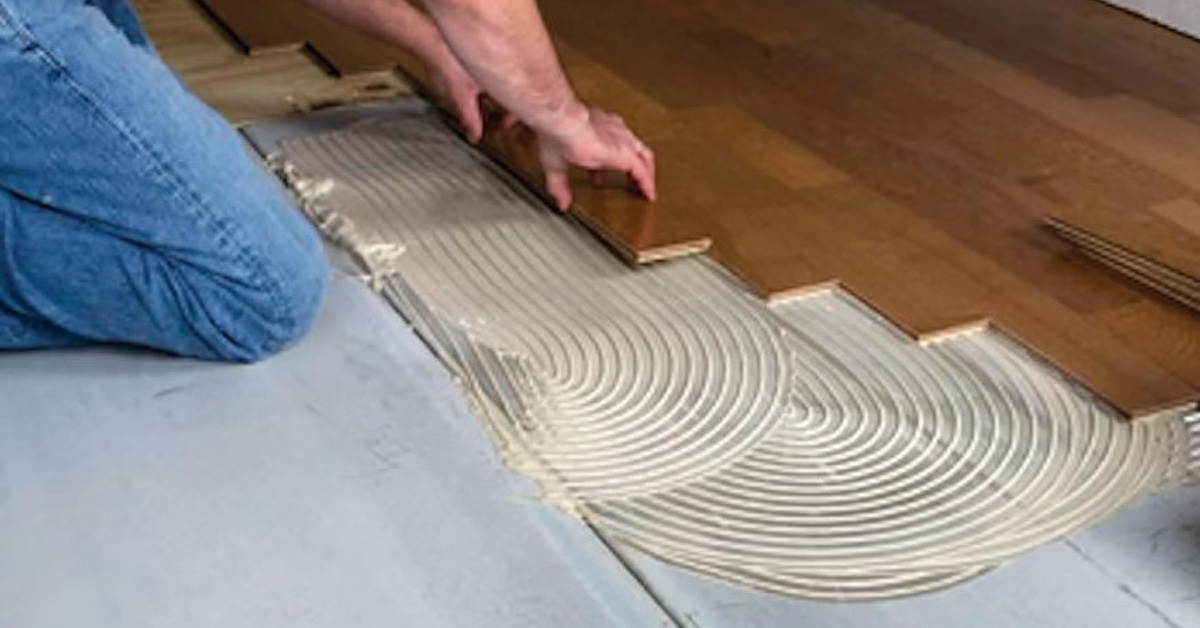
Waterproof Flooring Options For Philadelphia Bathrooms
Bathrooms are the areas where flooring choices provide the most room for error. Every other room in a Philadelphia home is able to withstand a material that's merely water-resistant however a bathroom won't. Showers' water, steam around the bases of toilets and splash zones at sinks as well as the general humidity a closed bathroom generates daily can expose any weakness in a flooring material that's not really waterproof. Philadelphia homes present additional wrinkles including subfloors from the past that contain moisture bathrooms that aren't renovated since the 1970s and in many rowhomes bathrooms built on top of finished living spaces in which a flooring malfunction could create problems with the ceiling down. Here's what actually is working, what's not and the questions to ask before you install any bathroom flooring into.
1. Porcelain Tiles are the Benchmark Every Other Tile is Compared
There's a reason that porcelain tile has been the standard bathroom flooring choice for years because it's impervious to water on the tile's surface, and can withstand humidity and steam without deteriorating and, with the proper installation and grout sealing it will outlast other options when it's wet. The installation of porcelain tiles in Philadelphia bathrooms is a preferred choice with the longest-running track record. There are some disadvantages -cold underfoot and hard joint joints, frequent grout maintenance required -- but none of the other materials can compete with its performance of waterproofing and longevity in a bathroom setting.
2. Ceramic Tiles Are a Good Alternative, It's Not a Suitable Alternative
There are two kinds of ceramic and they're frequently considered interchangeable, however they're not the same thing within the context of bathrooms. More porous is ceramic than porcelain and is important when a space has moisture is consistent rather than frequently. For a powder space or a guest bathroom with low use, ceramic tile flooring is a sensible and cost-effective option. If you are looking to renovate a bathroom that is the primary one in an Philadelphia residence that experiences daily shower usage, the density and resistance to moisture of porcelain is well worth the extra cost for each square foot. The process for installation is identical with the result over time is not.
3. LVP Is the Most Practical option for waterproofing tile
Luxury vinyl planks have genuinely gained its place in bathroom flooring conversations. The flooring material is 100% waterproof -- the core doesn't soak up water, the surface doesn't degrade with humidity exposure, and it's warmer and more comfortable underfoot than tile. The one caveat for bathroom installations is that LVP's waterproofing will only apply to the planks in themselves, not necessarily to the seams that connect the planks. A bathroom that has a significant water exposure, such as a walk-in shower without a proper barrier, a freestanding tub -- water may work across planks until it eventually reach the subfloor. Correct installation and seam sealing is crucial more than any other space.
4. Laminate for Bathrooms Is a Mistake You'll Be Sorry for
This should be said in a clear manner since laminate shows at the bottom of bathroom flooring cost estimates typically due to its lower price point. Laminate has a wood-fiber core. The continuous bathroom and the wood fiber moisture are not compatible. The edges contract, the seams lift, and the layer splits, and damage accelerates in a bathroom more quickly than any other room in the home. Cheap flooring installation that puts laminate in the Philadelphia bathroom is not an offer to buy -- it's an installation that's been delayed for several years. Any flooring professional who recommends laminate for a bathroom that is not a main one should be inquired into why.
5. The Subfloor underneath a Philadelphia Bathroom is in need of an honest assessment
Older Philadelphia rowhomes and suburban colonials usually have bathroom subfloors with existing the history of moisture -- past leak staining, soft spots caused by years of exposure to water, or original wooden subfloors which have taken in more water than they would have. Installing a new, waterproof floor over an old subfloor will not fix problems at the root, it protects it from further damage while it continues to deteriorate. Repairing the subfloor in Philadelphia bathrooms before the new flooring is put in place isn't just an upsell. It's an important requirement for the new flooring to function correctly and not fall apart prematurely.
6. Floor Heating Compatibility Varies by Material
Radiant floor heating is a popular feature in bathrooms. It's becoming increasingly sought-after throughout Montgomery County and Delaware County home renovations -- aren't suitable for all flooring materials. Porcelain tile is able to conduct and hold heat effectively, which makes it a perfect floor for the subfloor heating system. LVP is compatible with radiant heat but has thresholds for temperature that have to be adhered to -- excessive heat may cause distortion of the dimensions. If you are considering bathroom floor heating as an aspect of your renovation, the flooring choice as well as the heating system's specification have to occur in a dialogue in tandem, not independently.
7. Bathroom Tile Layout Can Affect Both Look and Water Management
This is one of the things that makes experienced tile flooring installers from those who only know how to install tile. Bathroom floors require a slight slope towards drain, typically 1/4 inch per foot -in order to prevent standing water. The tile design that doesn't take account on this factor, and fights against it with large-format tiles that span the incline, creates problems of pooling which ultimately work into the subfloor. In the discussion regarding layout with your contractor should be centered around how the tile pattern interacts with the drain's location, and not only what it looks like on paper.
8. The choice of bathroom grout is an Important Decision
Standard sanded sanded groud in bathrooms needs sealing at installation and periodic sealing throughout its lifetime. Epoxy grout, which is more durable than other grouts, more costly, and less resilient to installis completely impervious the effects of staining and water, and doesn't require sealing. For Philadelphia bathtub tile work in which the homeowner would like to maintain their tile with minimal effort epoxy grout is well worth the additional cost in labor. If homeowners are committed to regular maintenance of grout, standard grout, sealed effectively. What's not working is the standard grout that is never properly sealed in a moist bathroom area.
9. Small Format Tile Manages Bathroom Floor Slopes better
The trend to use large format tile -- 24x24 or bigger that work well in living spaces and kitchens runs into practical challenges in bathrooms. Larger tiles are more difficult pitch toward drains without creating visible unevenness. Furthermore, they require subfloors that are extremely flat to avoid lippage. Tiles with smaller sizes -- 12x12 and below and particularly mosaic tiles that follow the contours of a bathroom floor better, can manage drainage slopes more effectively and offer greater grout lines, which enhance slip resistance when wet. Philadelphia tile flooring contractors with a wealth of bathroom experience can bring this up before making any layout decisions.
10. Bathroom flooring and wall tile should Be Specified Together
A mistake that causes feelings of regret that are more aesthetic than functional issues -- but an error to avoid. Tiles for the bathroom floor and wall tile interact visually in a constrained space in ways which are difficult to see using only samples. Scale, pattern directions, grout color and the final all require consideration together. Flooring contractors who also do the installation of bathroom tiles Philadelphia work will be able coordinate this. They who focus on the floor but leave the wall tiles to a different contractor create situations where the finished room looks like two different people made decisions independently -- because they did. Read the recommended Check out the recommended hardwood floor installation cost Philadelphia for site info including LVP flooring Philadelphia PA, LVP flooring contractors Philadelphia, hardwood floor installation Philadelphia, nail down hardwood flooring Philadelphia, subfloor repair Philadelphia, LVP flooring contractors Philadelphia, hardwood floor refinishing cost Philadelphia, floating hardwood floor installation Philadelphia, flooring contractors Delaware County PA, flooring estimate Philadelphia and more.
